

Les Virées du Comptoir: inside the spice supply chains of China and Indonesia
By Guillaume, Head of Sourcing & Quality
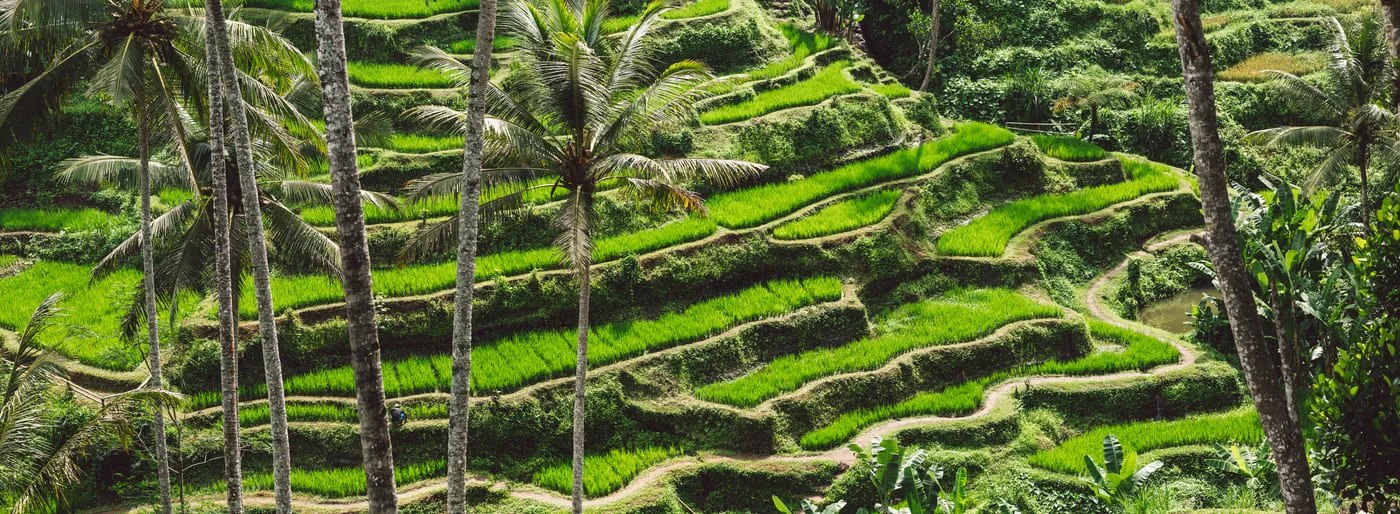
Our “Virées” are culinary journeys to regions rich in fine farming traditions. We set off on them every year to uncover treasures of flavour and elegance.
Date: April 2026
Stop 1: China – Demanding standards, from the soil to the technology
Days 1–3: Team synergy and wide-open spaces
No sooner had we landed in Beijing than the pace was set.
First step: meeting our strategic local partners to align our quality and traceability requirements.
China is a legendary land for spices: Sichuan berries harvested on the high plateaus, bewitching star anise, ginger, and the large family of chillies and paprikas, of which China accounts for nearly 45% of world production!
Day 4: The secret of “Japan Style” garlic
We head to Shandong province, in the heart of the farming areas, to visit the garlic and onion drying and processing facilities.
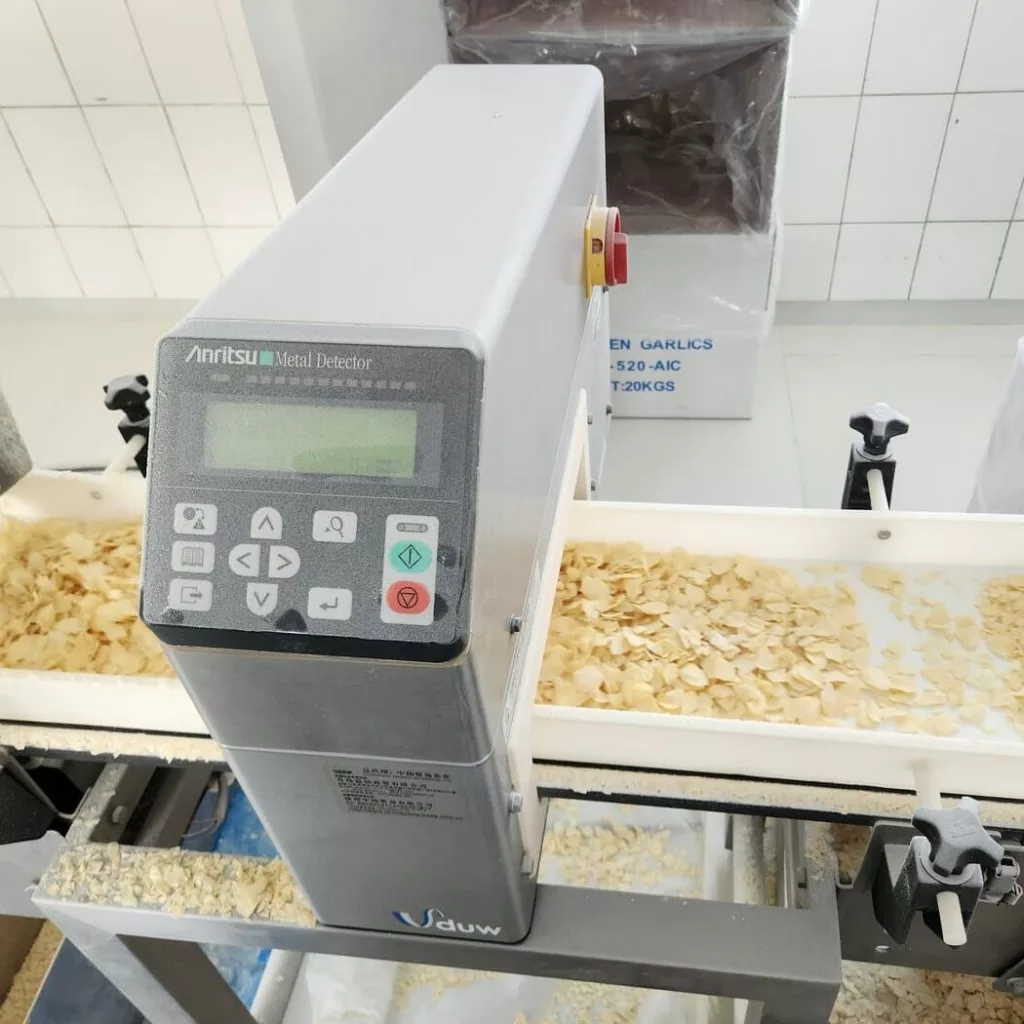
We watched the selection of “Japan Style” quality, the secret of an ultra-white, pure garlic with no added sulphites: drastic selection of the cloves at harvest and very slow, low-temperature drying. A demanding process that preserves the plant’s authentic taste, with no shortcuts!
What impressed us most: the AI-guided Sortex optical colour sorters. Every garlic flake is scanned to remove the slightest defect.
Day 5: Sun-dried chillies & paprikas
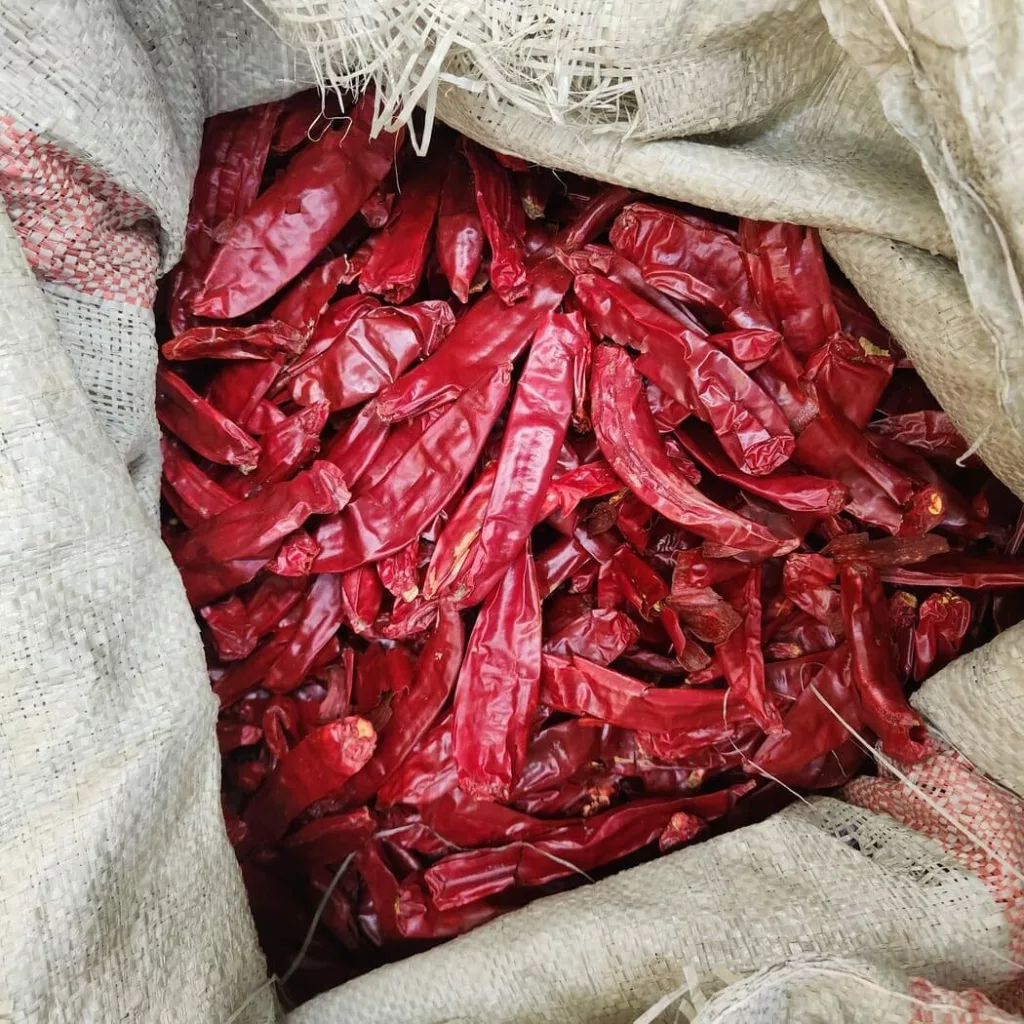
A change of scenery: we turn to the processing of paprikas and chillies from the Xinjiang region.
Here, the harvests are dried directly in the sun, in an ideal climate.
To stop paprika powder from caking during sea freight, we agreed on key measures together: steam-washing tunnels to sanitise the product, lower moisture content, and loading strictly in cool, dry weather.
Quality depends as much on the crop as on control of the supply chain!
The sourcing “crash test”: why we audit everything on site
On paper or by email, many suppliers promise the world, with beautiful photos of samples. But in the field, reality is sometimes very different.
“During this trip, I made a point of visiting two potential new suppliers we had met at trade fairs.” (Guillaume)
Supplier 1: goods stored directly on the floor, rusty equipment, no batch traceability and poor hygiene…
Supplier 2: a polished pitch, but behind the brand-new façade, opaque subcontracting and production lines in an unacceptable condition.
Conclusions: both ruled out immediately. We make no compromise on food safety or ethics. These inspection visits are the only way to guarantee our customers flawless spices.
Stop 2: Indonesia – Close to the cinnamon & vanilla growers
Days 8–11: Immersion in Jakarta & Bali
A change of temperature and of aromas! Welcome to Indonesia, the land of cassia cinnamon, Bourbon vanilla, nutmeg and cloves. We stop at our partners’ sites, founded by enthusiasts who master every stage of the farming upstream.
The science of cinnamon: did you know that the quality of cinnamon bark depends directly on the height at which it is taken from the tree?
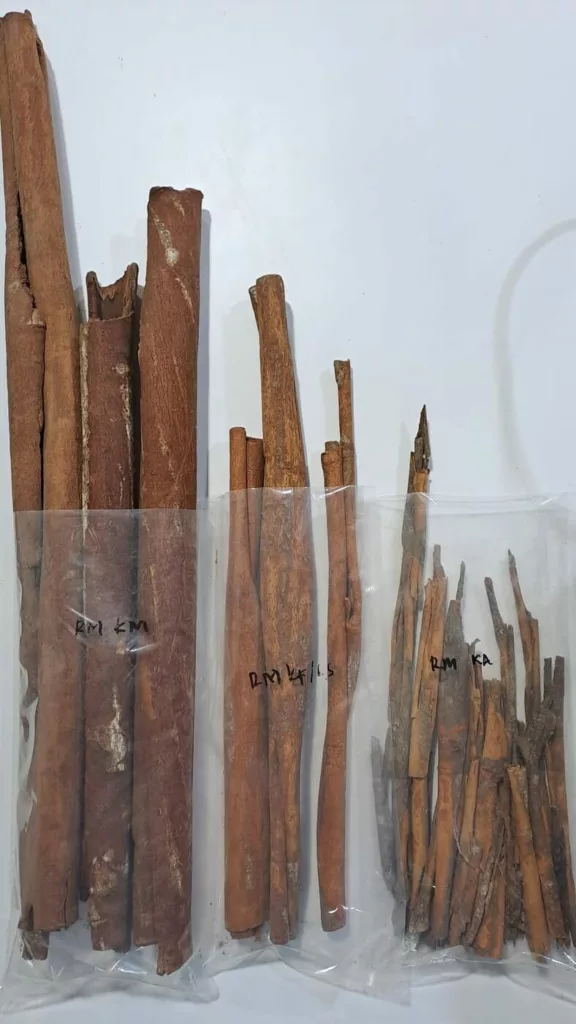
- At the foot of the trunk (KM): a very high concentration of aromatic essential oils.
- Between 1.5 m and 5 m (KF): the perfect balance for indulgent blends.
- Above 5 m (KA): a thinner bark, ideal for very specific uses.
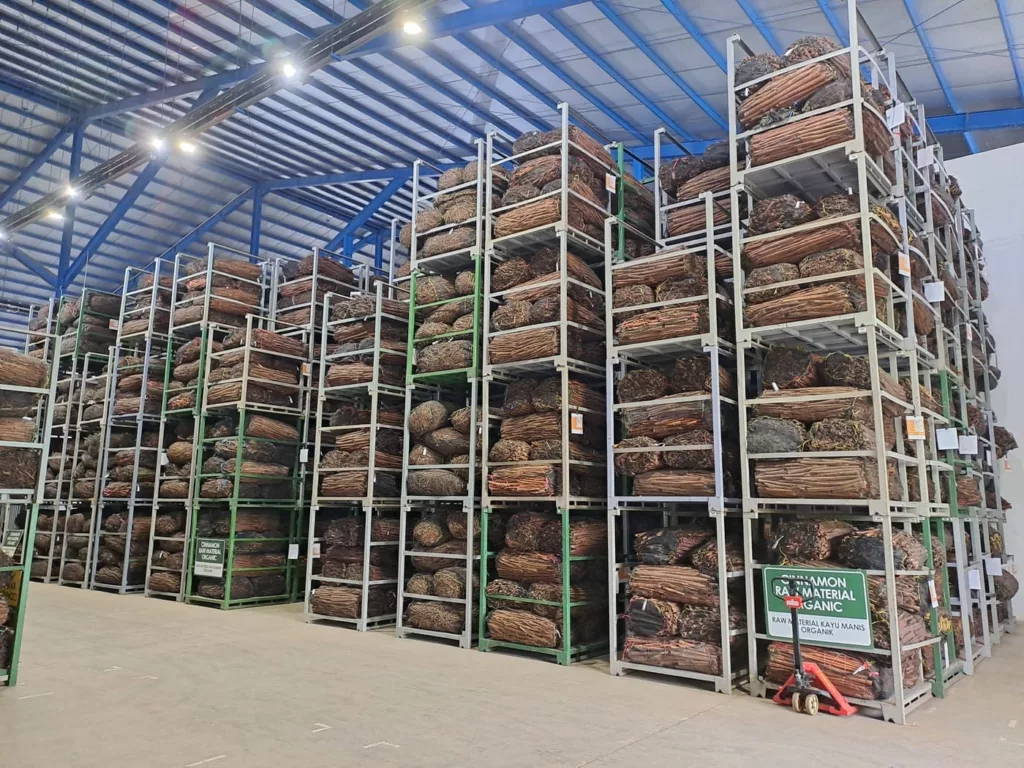
We stepped inside a warehouse holding 1,200 tonnes of cinnamon: an unforgettable sensory visit among thousands of bales of bark ready to be ground or extracted.
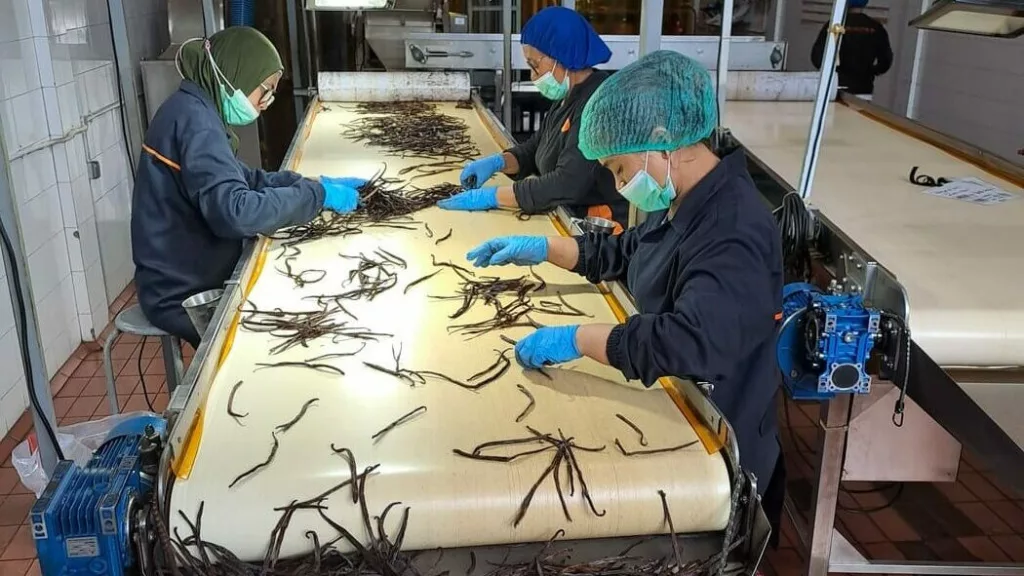
Vanilla and spray-dried powders: on a detour to the vanilla extraction workshops in Bali, we watched the rigorous hand sorting of the pods before they are turned into 100% natural powders and extracts.
Wrapping up the trip: what does it change for you?
Travelling to the source, inspecting the fields, checking factory lines and ruling out dubious players: that is the core of our work as a committed wholesaler.
What we are bringing back for your future spicy creations:
- Uncompromising food safety: supply chains audited and approved with no middlemen.
- Tailor-made spice powders: better moisture management, steam sterilisation and control of essential oils.
- Consolidation opportunities: small lots (rare Sichuan berries, black garlic, spray-dried powders) imported directly alongside our main volumes.